
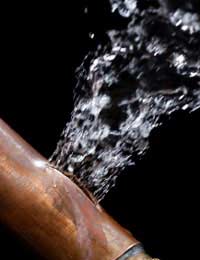
These days it is frowned on not to have the best insulation that you can possibly afford in as many places as possible in your home. Cavity wall insulation, loft insulation, double or triple glazed doors and windows; all have become the norm. When houses were less well insulated, the homeowner would have had to pay extra money on heating bills because so much of the heat would have been lost through the walls and roof. The trouble is that some of that heat that used to go into the loft no longer gets there and when the weather is particularly severe that can spell trouble for the water pipes.
Impact of Loft Insulation
The government has encouraged people to insulate their loft over the last few years, even offering grants to do so for a time. The insulation usually takes the form of thick padding that is rolled between the rafters, holding the heat into the house at ceiling level. This means that the open cavity of the loft is no longer getting the residual heat from the house. Many central heating systems, showers and baths are fed from cold water tanks that are situated in the loft space. During a cold night or two, all is OK but when the temperature falls for a significant length of time, it can cause these pipes to freeze.
Cold Winters in the UK
The last two winters in the UK have been the most severe that we have known for a long time. The last really cold winter was 1963 and before that, 1947, both before loft insulation days. In 2009 and 2010, the temperatures have fallen and we had several spells that ran into a few weeks where then temperature never rose above freezing. November 2010 saw record freezing temperatures at night, with places reporting minus 15 to minus 20 degrees Celsius.
That was more than enough to put a long freeze into well insulated lofts, with the result that many people found that their pipes froze. When water freezes, it gains volume. Ice takes up more room than water, so in the enclosed space of a pipe, it has nowhere to go. Eventually, if there is no other way for the ice to expand, it causes a split in the pipe. As pipes are made from copper, this takes a lot of pressure but the most frequent burst pipes occur at joints, where there is already a weakness.
The Effect of Burst Pipes
Water is necessary to life and we often take fresh water pumped into our homes completely for granted. When it is enclosed in pipes, all is OK but even a small amount of water in the wrong place at the wrong time can do a lot of damage. Homeowners in the UK have had a pipe freeze in the loft and crack one of the joints – then when the temperature rose, the water just escaped from the pipe and came through all of the ceilings in the house. Insurance claims are likely to run into hundreds of thousands of pounds, or even millions, as the water damaged furniture, bedding, upholstery, carpets and electrical equipment, and also did structural damage to plaster and brickwork.
Avoiding Burst Pipes
No-one is suggesting that you avoid the problem of burst pipes in the future by not insulation your loft. The answer is to make that insulation as good as possible, but then don’t forget to protect all loft pipes and tanks. You can now buy expanded foam insulation for pipes which is shaped in the form of cylinders with a split down one side. Simple clip the foam insulation over the pipe in strips and secure with twine, taking care to make sure that all joints are well covered. Another alternative is to wrap insulation material around the pipes.
Either form of pipe insulation can also be used for pipes that run on the outside of the house, or drainage pipes that come out of showers or sinks. A pipe doesn’t have to burst to cause a flood and water damage – if a shower outlet pipe freezes, the next time you have a shower, the water will overflow and can still run through the ceiling below.






This and other problems could be reduced by insulating between the rafters of the roof rather than the attic floor. Many people need to use some or all of the attic for essential storage. This means they are not eligable for grants to help with insulation. There are various methods and materials which can be used and it’s very effective. Storing some things in the attic reduces the volume and in itself can offer a degree of insulation and most people have at least the minimum ammount of insulation in place with flooring laid over it. This in itself is not suitable but does prevent some of the heat rising into the attic so by adding the secondary insulation to the rafters would ensure that the pipes don’t freeze, the beams are protected and energy is reduced. The downside to most of the grants in place is that they are very specific and rigid. Clearly if someone is eligable for a grant on the grounds that they have insufficient insulation and insufficient funding to do this themself rather than an all or nothing approach it would make sense to enable them to reach a suitable solution by topping up anyextra cost incurred themself. Moreso, if the problems identified are also resolved. So far large ammounts of money have and are likely to be wasted by not insulating according to the property types and the occupants usage.